Insights
•
Sonam Wangchuk's Hunger Strike: Why It Sparked a Nationwide Conversation
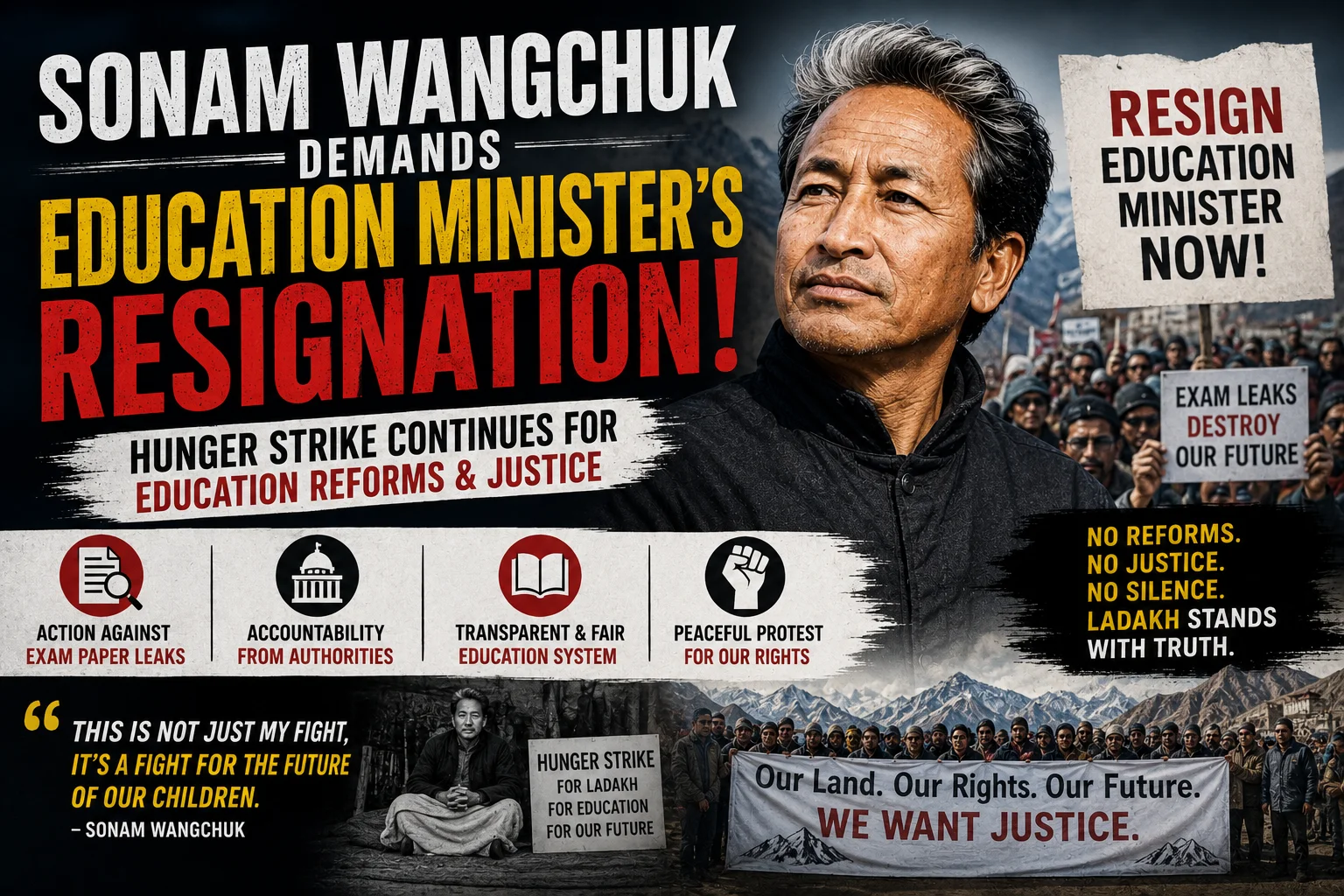
In recent years, environmental activist and education reformer **Sonam Wangchuk** has become one of India's most recognized voices on sustainable development and the future of the Himalayan region.
His hunger strike attracted widespread public attention, bringing issues such as environmental protection, climate change, and regional development into the national conversation.
Rather than being only a political event, the movement highlighted broader questions about balancing economic growth with ecological conservation.
## Who is Sonam Wangchuk?
Sonam Wangchuk is an engineer, innovator, and education reformer from Ladakh.
He is known for developing practical solutions for communities living in cold desert regions, including the famous **Ice Stupa** project, which helps store water during winter for use in the summer.
His work has earned recognition both in India and internationally.
## Why Did the Hunger Strike Gain Attention?
The hunger strike drew significant public interest because it focused on long-term concerns affecting the Himalayan ecosystem and local communities.
Among the major topics discussed were:
* Environmental conservation
* Climate change
* Sustainable development
* Protection of fragile mountain ecosystems
* Community participation in development decisions
The movement encouraged many people to learn more about the challenges faced by Himalayan regions.
## Why the Himalayan Region Matters
The Himalayas are often called the **"Water Tower of Asia"** because many major rivers originate there.
These mountains support millions of people by providing:
* Fresh water
* Agriculture
* Biodiversity
* Tourism
* Renewable energy potential
Changes to this ecosystem can have far-reaching effects beyond the region itself.
## Climate Change and Ladakh
Ladakh has experienced noticeable environmental changes over the years, including:
* Melting glaciers
* Changing snowfall patterns
* Water shortages in some areas
* Increased pressure from tourism
* Rising temperatures
Experts have long emphasized the importance of sustainable planning to help protect these fragile ecosystems.
## The Role of Peaceful Protest
Throughout history, peaceful demonstrations and hunger strikes have been used around the world to draw attention to social and environmental issues.
They often encourage public discussion and bring important topics into national and international focus.
## Why This Story Matters
Regardless of individual viewpoints, the hunger strike highlighted important questions:
* How can development remain sustainable?
* How should environmentally sensitive regions be protected?
* What role should local communities play in decision-making?
* How can climate resilience be strengthened?
These discussions are becoming increasingly relevant as climate-related challenges grow.
## The Importance of Informed Discussion
Complex public issues often involve multiple perspectives.
Understanding the facts, listening to expert opinions, and engaging respectfully in discussion helps create more informed conversations about the future of our environment and society.
## Conclusion
Sonam Wangchuk's hunger strike became more than a regional event—it sparked nationwide discussions about sustainability, environmental conservation, and the future of the Himalayan ecosystem.
As India continues to develop, finding ways to balance economic progress with ecological responsibility will remain an important challenge for policymakers, communities, and citizens alike.
Want to scale your business organic traffic?
Let WebBrandBuilders optimize your search appearance & design strategies.